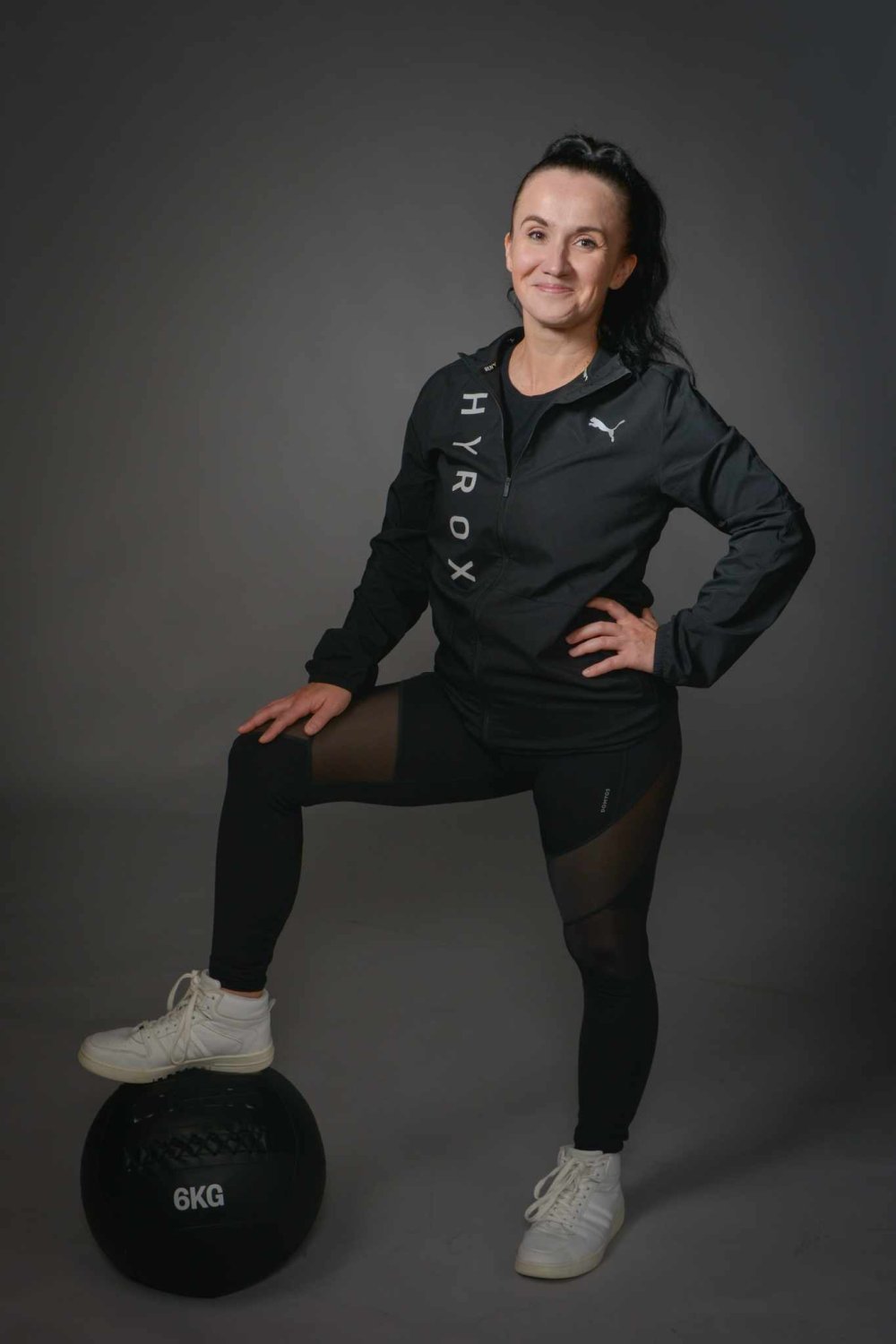
Katja Kaila


I am a physiotherapist, physical, mental and mobility coach and HYROX Performance Coach. I have studied at the University of Jyväskylä in the Faculty of Sport and Health Sciences specializing in sports medicine as well as coaching and testing science. I have also studied medicine at Charles University in Prague and further educated myself e.g. for the prevention and treatment of sports injuries.
My coaching is built on the belief that sustainable growth comes from self-awareness, consistency, trust, and individual responsibility. Over the years, I have studied leadership and participated in several leadership development programs. Through these experiences, I have realized that coaching and leadership have many similarities. Both involve guiding people toward growth, helping them discover their strengths, and supporting them through challenges without controlling every decision they make.
Today, I lead two teams and coach people from very different backgrounds, ranging from recreational exercisers to competitive athletes. I have learned that successful coaching is never only about physical results. It is about helping people develop confidence, discipline, resilience, and the ability to think independently. For this reason, my coaching emphasizes logical and consistent training, long-term development, and the importance of helping clients discover answers themselves instead of simply giving them ready-made solutions. My role as a coach is not only to create training programs or provide advice, but also to help clients understand why they are doing certain things and how small daily habits eventually create significant change. This means teaching people how to think critically, understand their own bodies and minds, and make informed decisions independently. I do not believe that the coach should always provide ready answers. Instead, I believe in guiding clients to think critically and discover solutions themselves. This creates deeper learning and increases long-term commitment.
For example, if an athlete struggles with recovery or motivation, I may ask reflective questions rather than immediately telling them what to do. Questions such as “What do you think is affecting your energy levels?” or “What habits have helped you perform well in the past?” encourage self-awareness and ownership. In my experience, people are more likely to commit to change when they feel they have actively participated in the process. In leadership and coaching alike, empowerment is more valuable than control.
As a mental coach, I also believe that thoughts, emotions, and physical performance are deeply connected. Athletes and clients often focus only on physical training, but mental skills such as confidence, focus, emotional control, and resilience are equally important. Therefore, I try to help clients develop both physically and mentally. This may include teaching stress-management techniques, helping athletes prepare mentally for competition, or encouraging clients to reflect on limiting beliefs that affect their performance. My goal is to create balanced development where physical ability and mental strength support each other.
In practical coaching situations, I value clear communication, consistency, and evidence-based methods. For me it is important that training plans are logical and progressive. I aim to avoid unnecessary complexity and focus instead on sustainable practices that clients can maintain over time. For example, when coaching a recreational exerciser recovering from injury, I prioritize gradual progression, movement quality, and confidence-building rather than pushing for rapid results. On the other hand, when working with competitive athletes, I may focus more on performance optimization, mental preparation, and detailed planning. In both cases, the underlying principle remains the same: development should be systematic, individualized, and meaningful. Every client is different physically, mentally, emotionally, and socially. Because of this, coaching cannot be based on one universal method. Two people may have the same goal but require completely different approaches to achieve it. Some clients need more structure and accountability, while others benefit from greater autonomy and reflection. Some athletes respond well to direct feedback, while others require a calmer and more supportive communication style. Understanding these differences is essential in building trust and helping people perform at their best.
The primary goals of my coaching are long-term growth, independence, and sustainable performance. While measurable outcomes such as improved strength, reduced pain, better athletic performance, or competition results are important, I do not define success only through numbers. I also measure success by observing changes in mindset, self-confidence, discipline, and self-awareness. One of the core beliefs behind my coaching philosophy is that every person has the potential to improve when they are given the right environment, guidance, and support. However, improvement does not happen through shortcuts or quick fixes. Real progress requires patience, commitment, and trust in the process.
I also believe it is the coach’s duty to communicate honestly rather than simply telling the client what they want to hear. Ethical coaching requires courage, integrity, and empathy. I belief that coaching is not only about performance but also about helping people grow through challenges. Through logical and systematic training, ethical practice, and meaningful human connection, I aim to help people achieve not only better performance but also greater confidence, resilience, and personal growth.
CONTACT ME!
katja.kaila@ole.fit
PHOTO: Harri Suomalainen
Leave a contact request through the form below, and we will get in touch with you as soon as possible.